If you’ve been keeping up with collectible culture or scrolling through Instagram or TikTok lately, you might have noticed these strange, sharp-toothed plush monsters popping up in people’s feeds. They’re called Labubus. Cute, quirky, and eye-catching, they’re made by POP MART. But what makes them so special?
This article takes you through everything: what Labubus are, why they’re so popular, and where to find authentic ones so you don’t fall prey to fakes. By the end, you’ll know whether Labubus are worth collecting or just a fun moment in pop culture.
What Are Labubus?
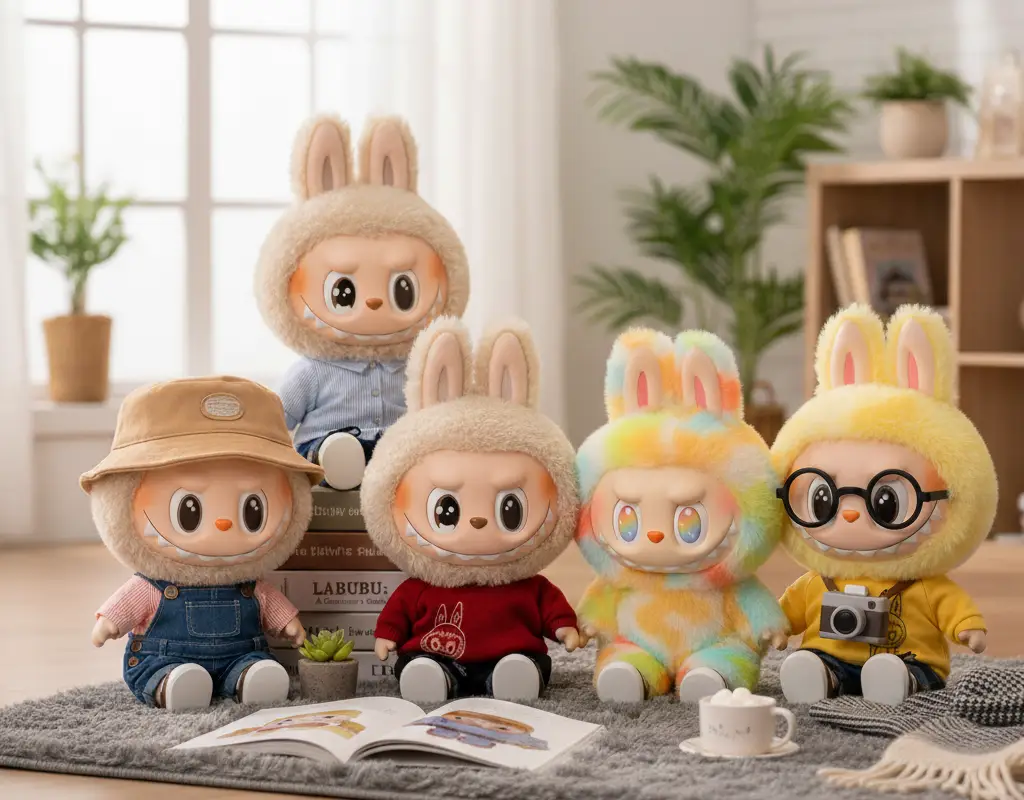
Labubus are a line of collectible art toys and plush monsters designed by Hong Kong artist Kasing Lung. They first appeared as illustrations in Lung’s “The Monsters” series and later evolved into physical products sold by POP MART, the Chinese designer toy company best known for its blind box collectibles.
Here are some defining features of Labubus:
- Big ears, expressive eyes, and nine sharp teeth forming a mischievous grin
- Multiple formats, including plush toys, vinyl figures, pendants, and tote bags
- Themed series, such as “Big into Energy” and “Have a Seat,” along with collaborations like “LABUBU × Pronounce Be Fancy Now”
When people ask what are Labubus, they’re asking about a growing universe of collectible monsters that blur the line between toy, art piece, fashion accessory, and pop-culture status symbol.
Why Are Labubus So Popular?
It’s no coincidence that people worldwide are asking why are Labubus so popular. POP MART didn’t just release Labubus. They built a framework that turned them into a phenomenon.
- Blind box mystery and rarity
Labubus figures often come in blind boxes. Buyers don’t know which version they’ll get until they open it, and rare “secret” editions make collecting addictive. - A design that’s cute and slightly weird
Labubus look adorable but also mischievous. The combination makes them stand out in the crowded world of collectibles. - Instagram-friendly appeal
With their colorful, detailed designs, Labubus are made to be shown off. They’re visually striking, whether displayed on shelves or photographed for social media. - Limited drops and collaborations
POP MART releases Labubus in themed collections, limited editions, and collaborations. This exclusivity drives demand. - Collector hype
Many fans want to complete entire sets, especially rare ones. The scarcity fuels a thriving secondary market. - Global exposure
Influencers and collectors worldwide showcase Labubus, spreading the trend far beyond Asia. - Product diversity
From keychains and plush pendants to large vinyl figures, Labubus are available at different price points, making them accessible to casual fans and serious collectors alike.
Where to Find Authentic Labubus
If you want to buy a Labubu plush or figurine, it’s important to stick to trusted sources.
Official and Reliable Places
- POP MART’s official website offers the widest selection of Labubus, including new drops and collaborations.
- POP MART flagship stores often feature exclusives that aren’t available online.
- Authorized collectible retailers sometimes stock Labubus, but always check seller credibility before purchasing.
How to Spot Authentic Products
- Look for POP MART’s holographic sticker or QR code for verification
- Check stitching, materials, and build quality
- Count the details, such as Labubu’s distinctive nine teeth
- Avoid deals that seem too good to be true
Notable POP MART Labubu Releases
- LABUBU × Pronounce “Be Fancy Now” Vinyl Plush Doll: A collaboration that blends high-end fashion styling with Labubu’s iconic design.
- Classic Bag Series: LABUBU Plush Tote Bag (Brown): A wearable plush tote that expands the Labubu brand into lifestyle accessories.
- Plush pendants and seasonal drops: Small, themed versions that are often sold in blind box series.
The Market for Labubus
Collecting Labubus isn’t always cheap.
- Standard plush and vinyl figures are moderately priced when bought directly from POP MART.
- Limited editions and secret figures can sell for much higher prices in resale markets.
- Secondary market prices fluctuate depending on rarity and demand.
For many collectors, the thrill is in the chase. Blind boxes create excitement, but they also encourage repeat purchases, which can quickly add up.
Are Labubus Worth It?
Whether Labubus are worth it depends on how you approach collecting.
Pros
Unique design and cultural cachet
Potential for collectible value, especially rare editions
Fun to display and share online
Accessible options for new collectors
Cons
Expensive if you chase rare figures
Counterfeit risk, especially on third-party markets
Blind box duplicates can be frustrating
Trend cycles may affect long-term value
FAQs About Labubus
What are Labubus?
Labubus are collectible plush toys and figurines created by artist Kasing Lung and produced by POP MART.
Why are Labubus so popular?
They combine cute and quirky design with rarity, blind box mystery, and global social media exposure.
Where can I find Labubus?
The best sources are POP MART’s official website, POP MART flagship stores, and reputable collectible retailers.
Are all Labubus sold in blind boxes?
Not all. Some plush items and lifestyle accessories are sold individually, but many vinyl figures come in blind box formats.
Do Labubus hold resale value?
Rare and limited editions have seen a rise in value on the secondary market, while common ones stay close to retail price.
Are there fake Labubus?
Yes. Counterfeits exist, especially online. Always buy from official or verified sellers and check for POP MART’s authenticity stickers.
Conclusion
So, what are Labubus? They’re designer plush toys and figurines born from the creative vision of Kasing Lung and elevated to global status by POP MART’s savvy marketing. With their mischievous charm, collectible rarity, and cross-cultural appeal, Labubus are much more than toys. They’re a cultural phenomenon that blends art, fashion, and internet hype into one.
For some, they’re a fun, fleeting trend. For others, they’re a serious collectible with long-term value. Either way, Labubus have carved their place in modern pop culture, proving that today’s collectibles are as much about community and identity as they are about the objects themselves.